- Get in Touch with Us

Last Updated: Apr 25, 2025 | Study Period: 2022-2027
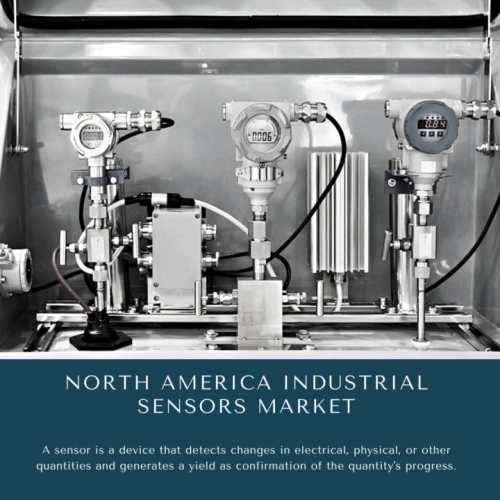
A sensor is a device that detects changes in electrical, physical, or other quantities and generates a yield as confirmation of the quantity's progress.
Level sensors, electric current sensors, humidity sensors, pressure sensors, temperature sensors, proximity sensors, heat sensors, flow sensors, fluid velocity sensors, and infrared sensors are among the most popular smart sensors used in industry.
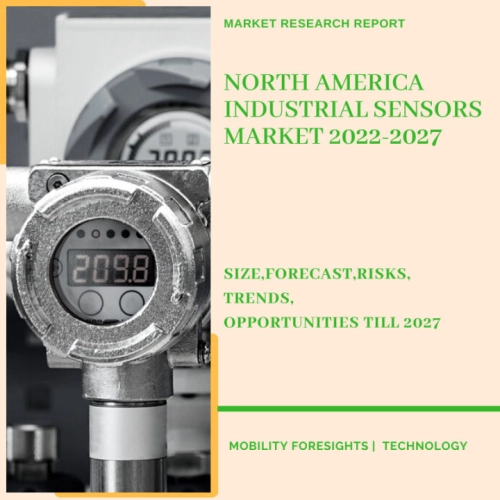
The North America Industrial Sensors Market accounted for $XX Billion in 2021 and is anticipated to reach $XX Billion by 2026, registering a CAGR of XX% from 2022 to 2027.
DD-Scientific is excited to announce the release of our newest line of high-performance electrochemical gas sensors. The DceL series gives gas detector makers the same dependability and robustness as larger sensors in a smaller form, making it easier to develop compact instruments with more features.
The series includes all of the most regularly measured dangerous gases, with an option of lead-based for reverse compatibility or long-life, lead-free technology for oxygen.
ESTATES OF HOFFMAN, Automobile manufacturers are attempting to capitalise on the current trend toward electric vehicles and low fuel usage by designing vehicles that are lower in weight and use aluminium instead of iron.
As the use of mixed production lines including both iron and aluminum becomes more common, so does the requirement for same-sensing-distance proximity sensors with adequate sensing ranges.
The new E2EW Series from Omron Automation Americas, a provider of end-to-end automation systems, is designed to meet this need.
The longest sensing range in their category to date, these highly durable metal face proximity sensors have been developed to survive the demanding circumstances of normal automotive welding procedures with a fluororesin coating that provides greater spatter resistance.
| Sl no | Topic |
| 1 | Market Segmentation |
| 2 | Scope of the report |
| 3 | Abbreviations |
| 4 | Research Methodology |
| 5 | Executive Summary |
| 6 | Introduction |
| 7 | Insights from Industry stakeholders |
| 8 | Cost breakdown of Product by sub-components and average profit margin |
| 9 | Disruptive innovation in theIndustry |
| 10 | Technology trends in the Industry |
| 11 | Consumer trends in the industry |
| 12 | Recent Production Milestones |
| 13 | Component Manufacturing in US, EU and China |
| 14 | COVID-19 impact on overall market |
| 15 | COVID-19 impact on Production of components |
| 16 | COVID-19 impact on Point of sale |
| 17 | Market Segmentation, Dynamics and Forecast by Geography, 2022-2027 |
| 18 | Market Segmentation, Dynamics and Forecast by Product Type, 2022-2027 |
| 19 | Market Segmentation, Dynamics and Forecast by Application, 2022-2027 |
| 20 | Market Segmentation, Dynamics and Forecast by End use, 2022-2027 |
| 21 | Product installation rate by OEM, 2022 |
| 22 | Incline/Decline in Average B-2-B selling price in past 5 years |
| 23 | Competition from substitute products |
| 24 | Gross margin and average profitability of suppliers |
| 25 | New product development in past 12 months |
| 26 | M&A in past 12 months |
| 27 | Growth strategy of leading players |
| 28 | Market share of vendors, 2022 |
| 29 | Company Profiles |
| 30 | Unmet needs and opportunity for new suppliers |
| 31 | Conclusion |
| 32 | Appendix |


© 2017-2026 Mobility Foresights Admin Pvt Ltd. All rights reserved.